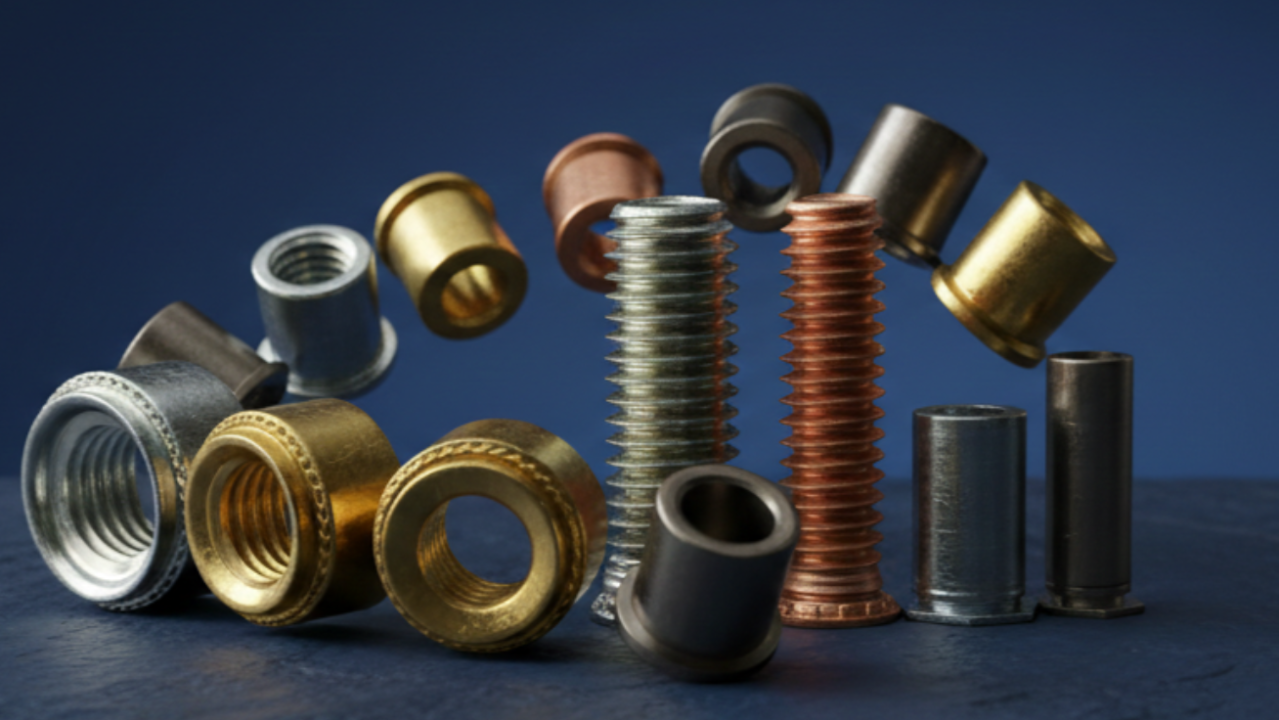
It is a total "lightbulb moment" when you first see a PEM nut on a Bill of Materials (BOM) for a high-performance ATE (Automated Test Equipment) PCB. To the uninitiated, it looks like a simple nut; to a hardware engineer, it’s a masterclass in mechanical-to-electrical integration.
In the world of ATE, where boards are often thick, heavy, and subjected to thousands of mating cycles, PEM nuts aren't just fasteners—they are strategic anchors.
The ATE Connection: Why They’re Fascinating
When you saw them on that ATE board, you were likely looking at a solution to three brutal engineering challenges:
- The "Heavy Armour" Support: ATE load boards are often 5-10mm thick with 30+ layers. You can't just use a "nut and bolt" when you're mounting massive stiffeners or heavy cooling blocks. PEM nuts allow you to turn the PCB itself …
Unlock Full Article
Log in with your Google account to read the complete article and join the ECAD Bridge community.
Continue with Google
— Article from E-Cad Bridge —